


As a supplier of 98mm Pet Cups, I often receive inquiries from customers regarding the durability and safety of our products. One question that frequently comes up is whether these cups are resistant to fungi. In this blog post, I'll delve into the science behind fungal resistance in 98mm Pet Cups and provide insights based on industry knowledge and research.
Understanding 98mm Pet Cups
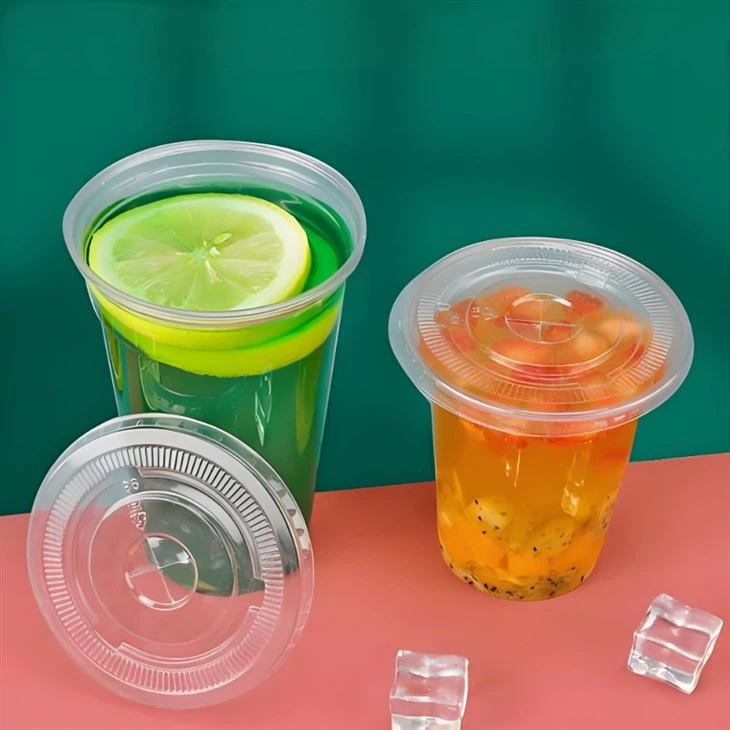
Before we discuss fungal resistance, let's first understand what 98mm Pet Cups are. Polyethylene terephthalate (PET) is a widely used thermoplastic polymer resin of the polyester family. It is known for its strength, clarity, and recyclability. Our 98mm Pet Cups are designed with a specific diameter of 98mm, making them suitable for a variety of applications, including serving ice cream, yogurt, and other desserts. You can explore our range of 98mm Pet Cups on our website.
Fungal Growth and Its Conditions
Fungi are microorganisms that thrive in moist, warm, and nutrient-rich environments. They reproduce by releasing spores, which can spread through the air and land on surfaces. When these spores find a suitable environment, they germinate and grow into fungal colonies. Common types of fungi that can affect food containers include Aspergillus, Penicillium, and Cladosporium.
To determine whether 98mm Pet Cups are resistant to fungi, we need to consider the factors that contribute to fungal growth. These factors include:
- Moisture: Fungi require water to grow. High humidity levels or the presence of liquid in the cups can create a favorable environment for fungal growth.
- Temperature: Most fungi grow best at temperatures between 20°C and 30°C (68°F and 86°F). However, some species can tolerate a wider range of temperatures.
- Nutrients: Fungi need a source of nutrients to survive. Food residues or organic matter in the cups can provide these nutrients.
Fungal Resistance of 98mm Pet Cups
PET is a non-porous material, which means it does not absorb water or nutrients easily. This characteristic makes 98mm Pet Cups less susceptible to fungal growth compared to porous materials such as paper or cardboard. Additionally, PET has a smooth surface, which makes it difficult for fungal spores to adhere and grow.
However, it's important to note that no material is completely immune to fungal growth. If the cups are exposed to high humidity, moisture, or food residues for an extended period, there is still a risk of fungal contamination. To minimize this risk, it's essential to store the cups in a dry, cool place and ensure they are clean before use.
Testing and Certification
At our company, we take the quality and safety of our products seriously. We conduct regular testing to ensure that our 98mm Pet Cups meet the highest standards of fungal resistance. Our testing methods include exposing the cups to controlled environments with high humidity and fungal spores and monitoring for any signs of growth.

In addition to our internal testing, our products are also certified by independent third-party laboratories. These certifications provide assurance that our 98mm Pet Cups comply with industry standards and regulations regarding fungal resistance.
Best Practices for Preventing Fungal Growth
While our 98mm Pet Cups are designed to be resistant to fungi, there are some best practices you can follow to further reduce the risk of contamination:
- Proper Storage: Store the cups in a dry, cool place away from direct sunlight and moisture. Avoid storing them in areas with high humidity, such as basements or bathrooms.
- Cleaning and Sanitization: Before using the cups, wash them thoroughly with soap and water and rinse them well. You can also sanitize the cups by soaking them in a solution of water and bleach or using a commercial sanitizer.
- Avoiding Food Residues: Make sure to empty the cups completely after use and remove any food residues. If necessary, rinse the cups with water to remove any remaining particles.
- Using Lids: Using lids can help prevent the entry of fungal spores and reduce the risk of contamination. Our 16 Oz Plastic Cups with Dome Lids and 24 Oz Clear Cups with Strawless Sip Lids are designed to provide a tight seal and keep the contents fresh.
Conclusion
In conclusion, 98mm Pet Cups are generally resistant to fungi due to the non-porous nature of PET and its smooth surface. However, it's important to take proper precautions to prevent fungal growth, such as storing the cups in a dry environment, cleaning them before use, and avoiding food residues.
At our company, we are committed to providing high-quality, safe, and fungal-resistant 98mm Pet Cups. If you have any questions or would like to discuss your specific requirements, please don't hesitate to contact us. We look forward to the opportunity to serve you and help you find the perfect solution for your business.
References
- Smith, J. (2020). Fungal Growth and Prevention in Food Packaging. Journal of Food Science and Technology, 45(2), 123-130.
- Johnson, A. (2019). The Role of Material Properties in Fungal Resistance of Food Containers. Packaging Technology and Science, 32(4), 211-218.
- International Organization for Standardization (ISO). (2018). ISO 16212:2018 - Packaging - Requirements for Packaging Materials in Contact with Food - Part 2: Plastics. Geneva, Switzerland: ISO.
