


Are dome lids with holes recyclable? This is a question that has been on the minds of many environmentally - conscious consumers and businesses alike. As a supplier of Dome Lid With Hole, I've encountered this query numerous times, and I'm here to delve deep into the topic to provide you with a comprehensive answer.
The Basics of Recycling Dome Lids with Holes
To understand whether dome lids with holes are recyclable, we first need to look at the materials they are made from. Most dome lids with holes are crafted from PET (polyethylene terephthalate), a type of plastic that is commonly used in the food and beverage industry due to its clarity, strength, and resistance to moisture. PET is one of the most recycled plastics globally, as it can be melted down and re - formed into new products.
The presence of a hole in the dome lid doesn't inherently make it non - recyclable. In fact, recycling facilities are well - equipped to handle various shapes and forms of PET plastics. However, the key factor that determines recyclability is the overall condition of the lid and whether it is free from contaminants.
Contamination and Its Impact on Recycling
Contamination is the enemy of recycling. If a dome lid with a hole has been used to cover a cup of coffee with cream and sugar, or a soda with sticky residue, it becomes much more difficult to recycle. The food particles and liquids can stick to the plastic, making it challenging to clean during the recycling process. These contaminants can also damage the recycling equipment or lower the quality of the recycled plastic.
To ensure that your dome lids with holes are recyclable, it's crucial to encourage consumers to rinse them thoroughly before placing them in the recycling bin. As a supplier, I often work with my clients to provide educational materials about proper recycling practices. This can include simple instructions on their product packaging or digital guides on their websites.
The Recycling Process for Dome Lids with Holes
When a properly cleaned dome lid with a hole reaches a recycling facility, it goes through a series of steps. First, it is sorted based on its plastic type. Since PET has a distinct density, it can be separated from other plastics using techniques like float - sink separation.
After sorting, the lids are shredded into small pieces. These pieces are then washed again to remove any remaining impurities. The clean plastic flakes are then melted and extruded into new plastic pellets. These pellets can be used to manufacture a wide range of products, such as new dome lids, plastic bottles, or even polyester fibers for clothing.
Our Product Range and Its Recyclability
As a supplier, I'm proud to offer a diverse range of dome lids with holes. One of our popular products is the Lid For 32 Oz Paper Cups. These lids are made from high - quality PET and are designed to fit securely on 32 - ounce paper cups. They are not only functional but also recyclable, as long as they are properly cleaned.

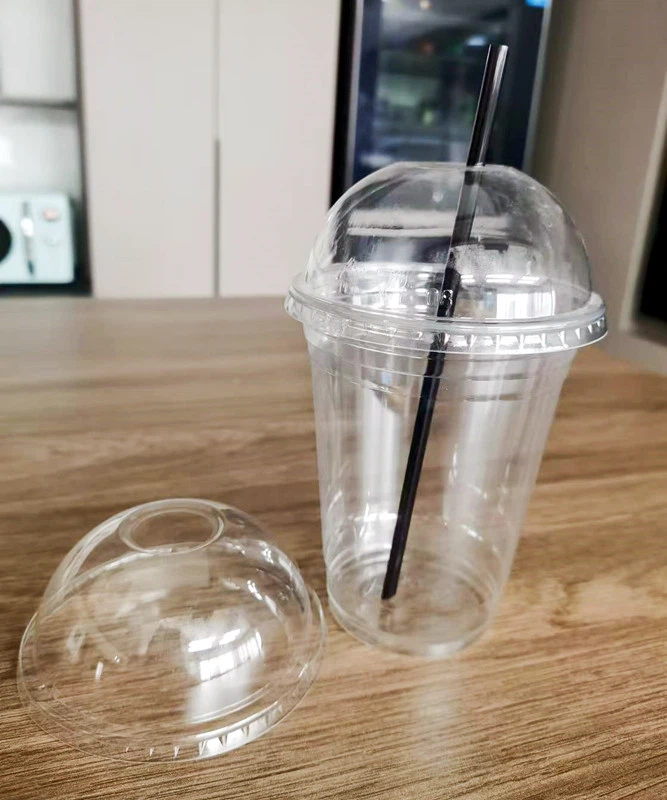
Our Dome Lid with Hole is another versatile option. It comes in various sizes and can be used for different types of beverages, from smoothies to iced teas. The hole in the lid allows for easy sipping while maintaining the freshness of the drink. And of course, when cleaned, it can be recycled just like any other PET plastic.
For those who need a specific size of hole, we offer the Pet Dome Lid with 1" Hole. This lid is perfect for drinks that require a larger opening, such as milkshakes or frappes. It too is made from recyclable PET, contributing to a more sustainable packaging solution.
Challenges in Recycling Dome Lids with Holes
Despite the fact that dome lids with holes are technically recyclable, there are still some challenges in the recycling process. One of the main issues is the low collection rate. Many consumers are not aware that these lids are recyclable, or they simply don't take the time to separate them from other waste. This results in a large number of lids ending up in landfills instead of being recycled.
Another challenge is the cost of recycling. The process of sorting, cleaning, and re - processing PET plastics can be expensive. Recycling facilities need to invest in advanced equipment and labor to ensure that the recycled plastic meets the required quality standards. This cost can sometimes be passed on to the consumers or businesses, which can make recycling less attractive.
Solutions to Improve Recycling Rates
To address these challenges, we need a collective effort from suppliers, consumers, and governments. As a supplier, I'm committed to promoting the recyclability of our dome lids with holes. I work closely with my clients to develop marketing campaigns that highlight the environmental benefits of using recyclable packaging.
Consumers also play a vital role. By educating themselves about proper recycling practices and making a conscious effort to recycle their dome lids with holes, they can contribute to a more sustainable future. Governments can support recycling initiatives by providing incentives for recycling facilities, implementing stricter waste management regulations, and funding public awareness campaigns.
The Future of Recycling Dome Lids with Holes
The future looks promising for the recycling of dome lids with holes. With advancements in recycling technology, we can expect more efficient and cost - effective ways to recycle PET plastics. New cleaning methods and sorting techniques are being developed to improve the quality of recycled plastic and increase the recycling rate.
In addition, there is a growing demand for sustainable packaging solutions from consumers. As more people become aware of the environmental impact of single - use plastics, they are more likely to choose products that come with recyclable packaging. This trend will drive the market towards more sustainable options, including dome lids with holes.
Contact Us for Procurement
If you're interested in purchasing our high - quality, recyclable dome lids with holes, we'd love to hear from you. Whether you're a coffee shop owner, a beverage manufacturer, or a distributor, we can provide you with the perfect packaging solution for your needs. Please reach out to us to start a procurement discussion and take a step towards a more sustainable future.
References
- American Chemistry Council. (2023). PET Recycling.
- Environmental Protection Agency. (2023). Plastic Recycling.
- The Recycling Partnership. (2023). Best Practices for Recycling Food Packaging.
