


In the world of pet supplies, plastic pet dome lids have become a staple for many pet owners. As a supplier of Plastic Pet Dome Lid, I've witnessed firsthand the growing demand for these products. However, with the increasing global focus on environmental sustainability, it's crucial to address the question: Are there any environmental concerns with plastic pet dome lids?
The Prevalence of Plastic Pet Dome Lids
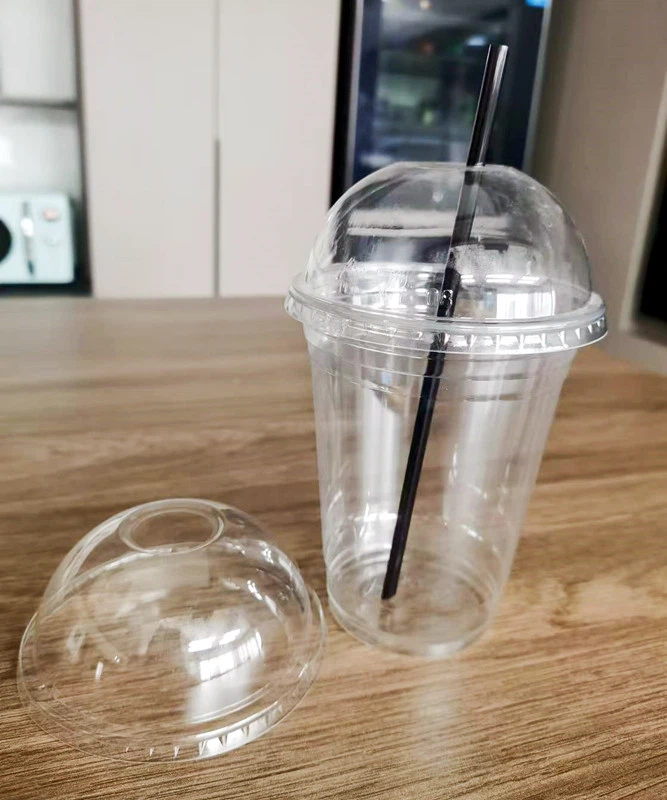
Plastic pet dome lids are widely used for a variety of reasons. They are lightweight, durable, and cost - effective. These lids are commonly used to cover pet food containers, water bowls, and small enclosures for small pets like hamsters or guinea pigs. For instance, our Pet Dome Lid with 1" Hole is specifically designed to allow for ventilation while keeping the contents inside secure. The Dome Lid 95mm is a popular choice for smaller pet food containers, providing a tight seal to keep the food fresh.
Environmental Concerns Associated with Plastic
Plastic Production
The production of plastic is a resource - intensive process. It primarily relies on fossil fuels, such as oil and natural gas. Extracting these non - renewable resources has a significant environmental impact, including habitat destruction, water pollution, and greenhouse gas emissions. The manufacturing process itself also generates a large amount of waste and pollution. Chemicals used in plastic production can be harmful to the environment and human health. For example, some plastics contain phthalates, which are known to disrupt the endocrine system in animals and humans.
Plastic Waste
One of the most pressing environmental concerns with plastic pet dome lids is the issue of plastic waste. Plastic is non - biodegradable, which means it can persist in the environment for hundreds of years. When these lids are discarded, they often end up in landfills, where they take up space and contribute to the growing problem of landfill overcrowding. Additionally, a significant amount of plastic waste finds its way into the oceans. Marine animals can mistake small plastic pieces for food, leading to ingestion and entanglement. This can cause injury, starvation, and death.
Microplastics
Over time, plastic breaks down into smaller and smaller pieces called microplastics. These microplastics are less than 5mm in size and are extremely difficult to remove from the environment. They can be found in soil, water, and even in the air. Microplastics have been detected in the bodies of various marine and terrestrial organisms, including fish, birds, and mammals. The long - term effects of microplastic ingestion on these organisms are still not fully understood, but there is growing evidence that they can cause physical damage, chemical toxicity, and disrupt biological processes.
Our Approach as a Supplier
Sustainable Materials
We are committed to addressing these environmental concerns by exploring the use of more sustainable materials. For example, we are researching the use of bioplastics, which are made from renewable resources such as corn starch, sugarcane, or cellulose. Bioplastics have the potential to be biodegradable or compostable, reducing their environmental impact. While the technology for bioplastics is still developing, we believe it holds great promise for the future of pet dome lids.
Recycling Initiatives
In addition to using sustainable materials, we are also promoting recycling. We encourage our customers to recycle their plastic pet dome lids whenever possible. We provide information on local recycling programs and work with recycling facilities to ensure that the plastic from our products can be properly recycled. By diverting plastic waste from landfills and incinerators, we can reduce the environmental impact of our products.
Design for Sustainability
Another aspect of our approach is designing our products for sustainability. We are looking at ways to reduce the amount of plastic used in our pet dome lids without compromising their functionality. This could include using thinner plastics or designing lids that are more easily disassembled for recycling.
The Future of Plastic Pet Dome Lids
The future of plastic pet dome lids will likely involve a combination of technological innovation and consumer awareness. As consumers become more environmentally conscious, they are demanding products that are sustainable and eco - friendly. This will drive the development of new materials and manufacturing processes.
In the coming years, we expect to see more widespread use of bioplastics in the pet industry. These materials will not only reduce the environmental impact of plastic pet dome lids but also offer new opportunities for product design. For example, bioplastics can be molded into different shapes and sizes, allowing for more creative and functional pet dome lids.
Consumer education will also play a crucial role in the future of plastic pet dome lids. By educating consumers about the environmental impact of plastic and the importance of recycling, we can encourage them to make more sustainable choices. We plan to launch educational campaigns to raise awareness about these issues and provide our customers with the information they need to make informed decisions.

Contact Us for Sustainable Pet Dome Lids
If you are interested in learning more about our sustainable approach to plastic pet dome lids or are looking to place an order, we would love to hear from you. We are dedicated to providing high - quality, environmentally friendly pet products. Whether you are a pet store owner, a distributor, or an individual pet owner, we can work with you to meet your needs.
References
- Barnes, D. K. A., Galgani, F., Thompson, R. C., & Barlaz, M. (2009). Accumulation and fragmentation of plastic debris in global environments. Philosophical Transactions of the Royal Society B: Biological Sciences, 364(1526), 1985 - 1998.
- Geyer, R., Jambeck, J. R., & Law, K. L. (2017). Production, use, and fate of all plastics ever made. Science Advances, 3(7), e1700782.
- Rochman, C. M., Browne, M. A., Halden, R. U., Hoh, E., Huffer, S., & Klamerth, N. (2013). Synthesis of research on plastic debris in the marine environment. Environmental Science & Technology, 47(15), 7157 - 7171.
