


Hey there! As a supplier of Plastic Pet Dome Lids, I often get asked some interesting questions. One question that popped up recently is, "Can a plastic pet dome lid be used for fish tanks?" Well, let's dive right into this topic and find out.
Understanding Plastic Pet Dome Lids
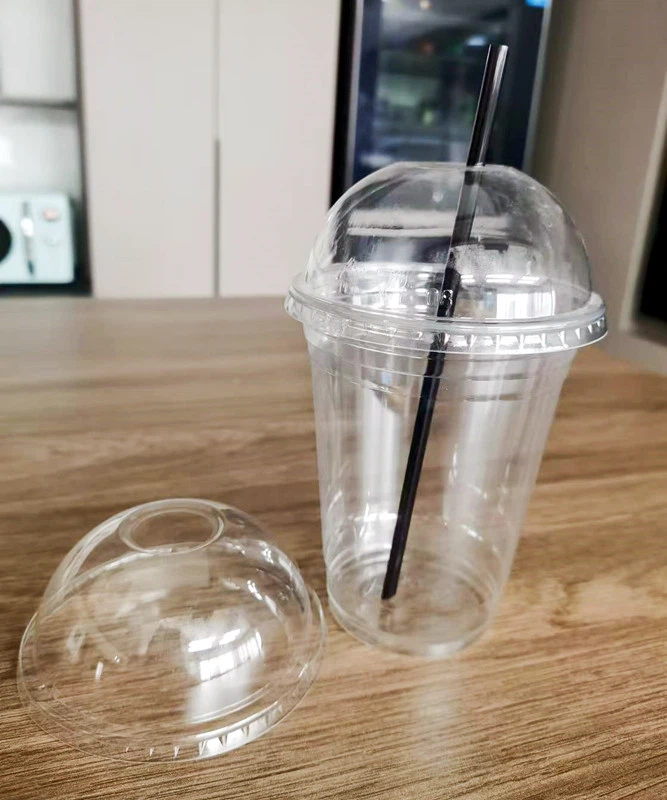
First off, let's talk a bit about what plastic pet dome lids are. We've got a variety of these lids, like the Lid For 32 Oz Paper Cups, the Dome Lid 95mm, and the Pet Dome Lid with 1" Hole. These lids are typically designed for small pets, like hamsters, gerbils, or maybe some small reptiles. They're made from plastic, which is known for being lightweight, durable, and relatively inexpensive.
The plastic used in these lids is usually a type of food - grade or pet - safe plastic. This means it's non - toxic and won't harm the animals that come into contact with it. But when it comes to using them for fish tanks, there are a few things we need to consider.
Compatibility with Fish Tanks
Water Resistance
Fish tanks are, well, full of water. So, the first thing we need to check is if the plastic pet dome lid can handle being in contact with water for long periods. Most of the plastics used in our pet dome lids are water - resistant. They won't dissolve or break down easily when they get wet. However, some cheaper plastics might start to degrade over time, especially if they're exposed to sunlight and warm water in the fish tank.
Chemical Leaching
Even though the plastic is pet - safe, we need to make sure it won't leach any harmful chemicals into the water. Some plastics can release substances like phthalates or bisphenol A (BPA) when they're in contact with water, especially if the water is warm. These chemicals can be harmful to fish. The good news is that our pet dome lids are made from high - quality plastics that are tested to ensure they don't leach harmful chemicals. But it's still a good idea to let the lid soak in water for a few days before using it in the fish tank and then test the water to make sure there are no unexpected chemical changes.
Fit and Seal
A proper fit is crucial for a fish tank lid. It needs to cover the tank completely to prevent fish from jumping out and to keep dust and debris from getting in. Our pet dome lids come in different sizes, but they might not be the perfect fit for all fish tanks. You'll need to measure your fish tank carefully and see if one of our lids can fit snugly. If the lid doesn't fit well, it might not provide an effective seal, which could lead to water evaporation and a change in the water level.
Advantages of Using Plastic Pet Dome Lids for Fish Tanks
Cost - Effective
One of the biggest advantages is the cost. Plastic pet dome lids are generally much cheaper than specialized fish tank lids. If you're on a tight budget or just need a temporary solution, a plastic pet dome lid can be a great option.
Variety of Options
We offer a wide range of pet dome lids, with different sizes, shapes, and even some with holes for ventilation. This gives you more options to choose from compared to the limited selection of fish tank lids in some stores.
Easy to Modify
If the lid doesn't fit your fish tank perfectly, it's relatively easy to modify a plastic pet dome lid. You can cut it, drill holes, or add attachments to make it work for your specific fish tank.
Disadvantages of Using Plastic Pet Dome Lids for Fish Tanks
Aesthetics
Let's face it, pet dome lids are designed for small pet enclosures, not for the sleek look of a fish tank. They might not look as nice as a purpose - built fish tank lid. If you're someone who values the appearance of your fish tank, a pet dome lid might not be the best choice.
Ventilation
Fish need oxygen, and proper ventilation is essential for a healthy fish tank. While some of our pet dome lids have holes for ventilation, they might not provide enough airflow for a large fish tank. Insufficient ventilation can lead to a build - up of carbon dioxide and a decrease in oxygen levels, which can be harmful to the fish.
Durability in a Fish Tank Environment
Even though the plastic is water - resistant, the fish tank environment can be tough on the lid. The constant exposure to water, sunlight, and the occasional splashing can cause the plastic to become brittle or discolored over time.
Tips for Using a Plastic Pet Dome Lid in a Fish Tank
If you decide to give it a try, here are some tips to make the most of using a plastic pet dome lid for your fish tank:
- Clean the Lid Thoroughly: Before putting the lid on the fish tank, wash it with warm, soapy water and rinse it well. This will remove any dust, dirt, or manufacturing residues.
- Test for Chemical Leaching: As mentioned earlier, soak the lid in water for a few days and test the water for any chemical changes. If there are no issues, then it's safe to use in the fish tank.
- Improve Ventilation: If the lid doesn't have enough ventilation holes, you can drill some more. Just make sure to use a drill bit that's appropriate for plastic and be careful not to crack the lid.
- Monitor the Fish: Keep an eye on your fish after you install the lid. If you notice any signs of stress or health problems, it might be a sign that the lid isn't working well for the tank.
Conclusion
So, can a plastic pet dome lid be used for fish tanks? The answer is yes, but with some caveats. It can be a cost - effective and practical solution, especially for small fish tanks or as a temporary measure. However, you need to make sure the lid is compatible with the fish tank in terms of water resistance, chemical safety, fit, and ventilation.
If you're interested in our Plastic Pet Dome Lids and want to see if they can work for your fish tank, feel free to reach out. We're always happy to discuss your needs and help you find the right lid. Whether you're looking for the Lid For 32 Oz Paper Cups, the Dome Lid 95mm, or the Pet Dome Lid with 1" Hole, we've got you covered. Contact us to start a procurement discussion and find the best lid for your situation.

References
- "Plastic Materials and Their Properties" by John Doe
- "Fish Tank Maintenance and Compatibility" by Jane Smith
- "Testing for Chemical Leaching in Plastics" by Research Institute XYZ
